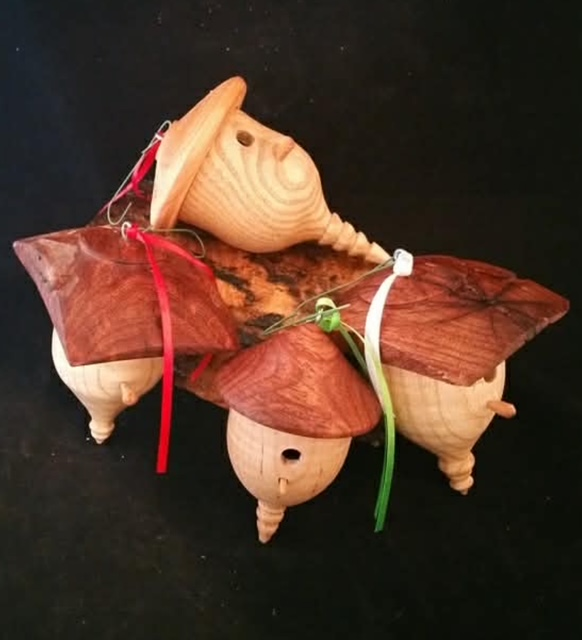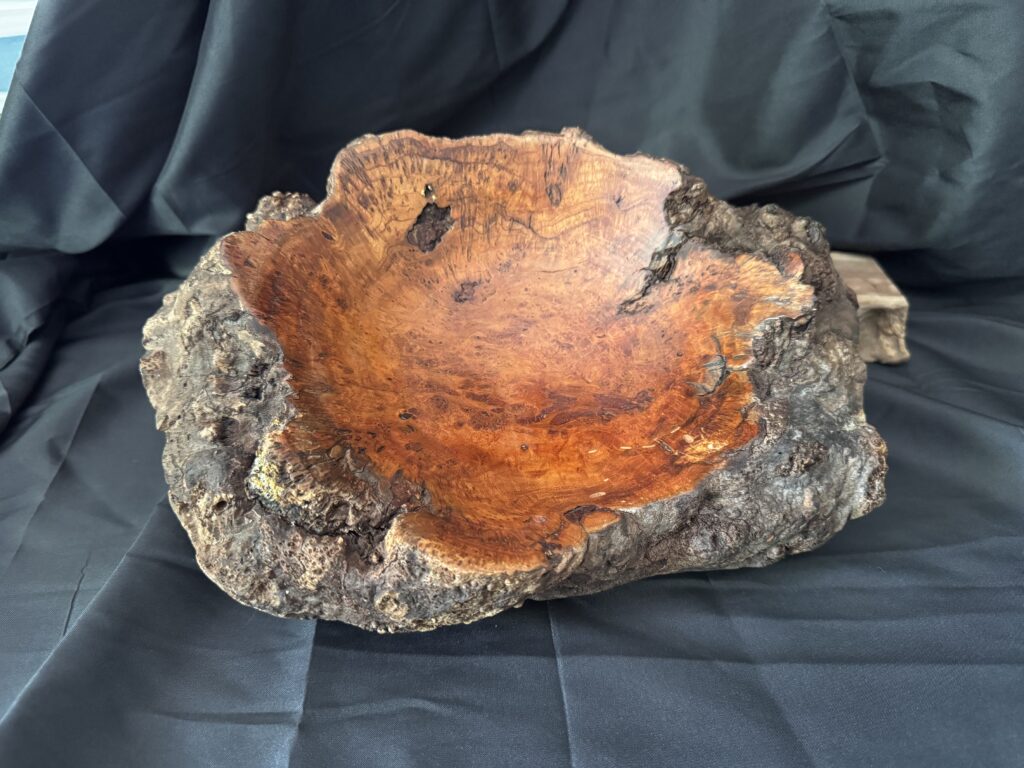
There’s a quiet beauty in imperfection something I’ve come to appreciate more and more as a woodturner working near the tranquil shores of the Lake of the Ozarks. Whether I’m shaping a bowl, crafting a bottle stopper, or hollowing out a small box on the lathe, the wood always teaches me something new. It reminds me that cracks, knots, and flaws aren’t failures they are features. And lately, that philosophy has deepened with my growing fascination with Kintsugi.
For those unfamiliar, Kintsugi is the Japanese art of repairing broken pottery with gold, silver, or lacquer. Instead of hiding the breakage, Kintsugi highlights it—celebrating the piece’s history and transformation. It’s a powerful metaphor, and it blends beautifully with the work I do turning local wood from the trees that surround the lake.
Sometimes, while working at the lathe, a piece will crack unexpectedly or reveal a hidden flaw. In the past, I might’ve set it aside. But now, I lean into those imperfections. I’ve begun incorporating a touch of Kintsugi-inspired repair, using gold-infused resin or subtle highlights to fill cracks or bind a split. The result? A piece that is more than just functional, it tells a story. It becomes a reflection of resilience, beauty, and the natural cycle of life and restoration.
The trees around the Lake of the Ozarks are full of stories, too. Each fallen limb or reclaimed log has weathered storms, droughts, and seasons of growth. When I turn a rough chunk of walnut or cherry into a bowl or a delicate lidded box, I’m preserving a bit of that history. And when that piece has a scar, a line of gold or resin running through it, it becomes something even more meaningful.
Bottle stoppers, bowls, and boxes may seem simple, but each one carries a spirit of place and process. When finished, they hold the textures of the trees, the rhythm of the lathe, and the quiet influence of the lake. Add to that the philosophy of Kintsugi, and suddenly each crack becomes a celebration, not a flaw.
In this fusion of nature, craft, and philosophy, I’ve found a new way to connect with my work and the people who bring it into their homes. Woodturning isn’t just about making things it’s about honoring the material, embracing imperfections, and telling stories that last.