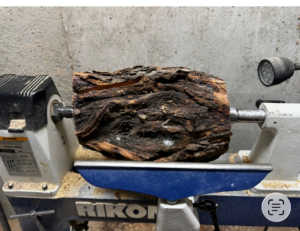
There is a strange feeling when an injury keeps a woodturner out of the shop. The lathe is sitting there, ready to go. The tools are sharpened. There is wood waiting on the shelf. Ideas are piling up faster than they can be written down. But your body says, Not yet.
When you’re used to creating with your hands, being told to step away from the lathe can feel like being told to step away from the craft itself. It can be frustrating, especially when you don’t know exactly when you’ll be able to return.
But maybe there is another way to keep creating. Sometimes creativity doesn’t require a lathe. Sometimes it requires getting out of the shop.
A Road Trip Instead of a Shop Day
When an injury keeps you from turning, a woodturning symposium can be an unexpected gift. Instead of spending the weekend standing behind a lathe, you can spend it surrounded by people who understand exactly why you miss it. And sometimes, getting there is half the experience. A long road trip to a symposium creates something we don’t always give ourselves enough of: uninterrupted time to talk.
Before arriving, there are expectations.
What are we hoping to see?
Which demonstrators are we excited about?
Are there techniques we’ve been struggling with?
What kinds of wood turning do we want to explore?
What might we bring home with us besides a few tools or pieces of wood?
Those conversations can be just as important as the symposium itself.
The road becomes a place to think about where we are in our own woodturning journey and where we want to go next.
Watching the Greats
One of the hardest parts of being injured is not being able to pick up a tool and try something new. A symposium changes that equation. You can learn simply by watching. Seeing an accomplished woodturner demonstrate a technique gives you an opportunity to study things you might overlook when you’re the one holding the tool.
Watch their stance, how they approach the wood and how they present the tool. Listen to how they describe what they are seeing in the grain. Pay attention to the decisions they make before they ever make a cut.
When you’re not physically capable of turning, you may find yourself watching more closely. Instead of thinking, how am I going to do this? You can concentrate on Why are they doing it this way? That difference can turn a demonstration into a master class in observation. And you can take all of those lessons home with you.
The Inspiration of Other Woodturners
There is something special about being in a room full of wood turners. At home, we can sometimes feel like we’re working alone. At a symposium, suddenly you’re surrounded by people who understand the fascination with grain, the excitement of finding an unusual piece of wood, and the satisfaction of watching a form emerge from a rough blank.
Conversations happen everywhere. In the hallways, 0ver coffee and at lunch. While looking through tools or standing beside a display of finished work.
Sometimes the most valuable lesson isn’t part of a scheduled demonstration at all. It comes from another turner telling you about something they tried, something that failed, or something they discovered completely by accident. Woodturners are generous with stories. Those stories can spark ideas. A simple conversation can send you home thinking about a new form, a different finish, a different approach to grain, or perhaps an entirely different direction for your own work.
The Art Display: Seeing What Is Possible
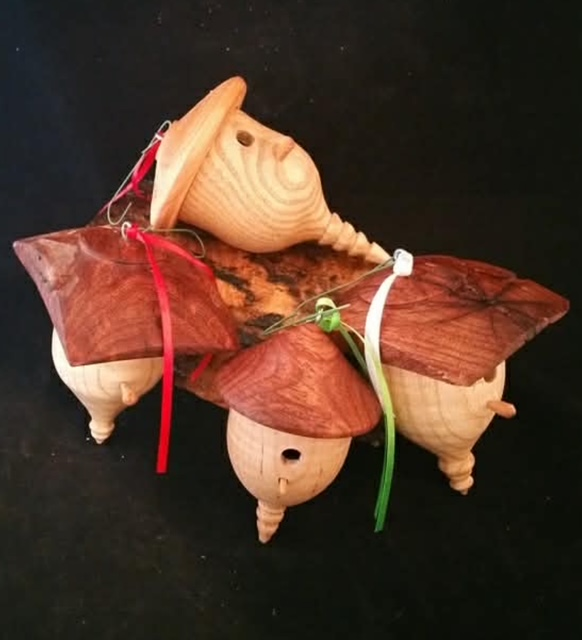
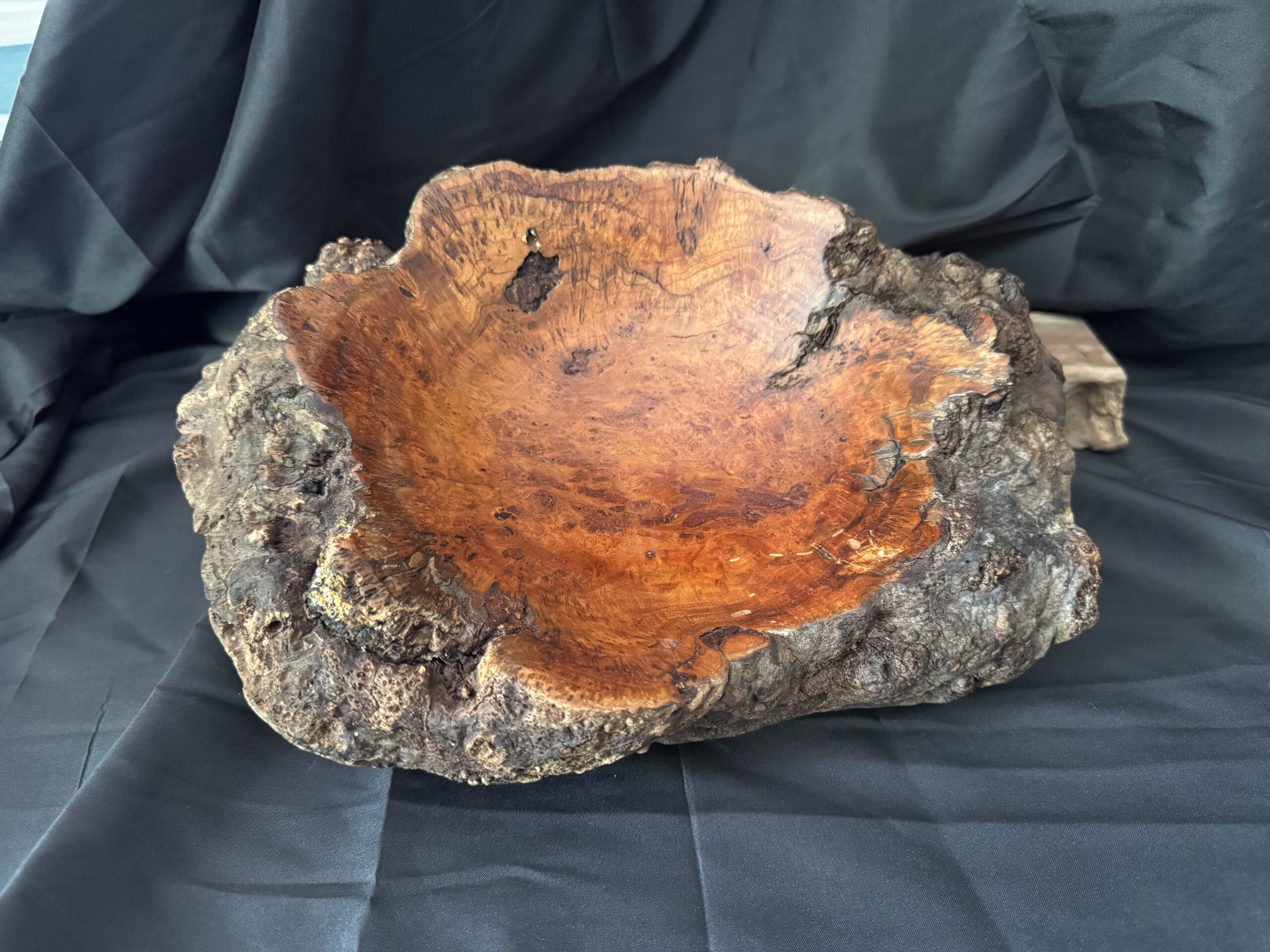
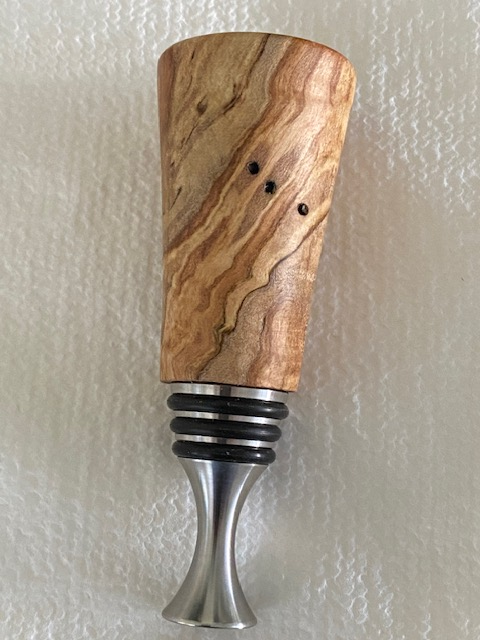
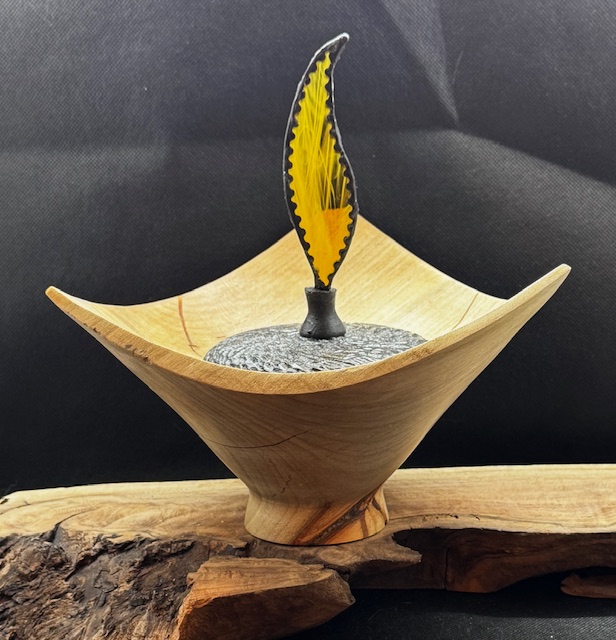
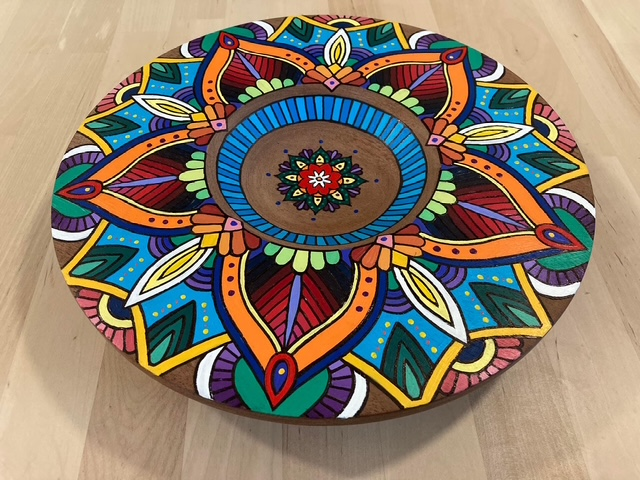
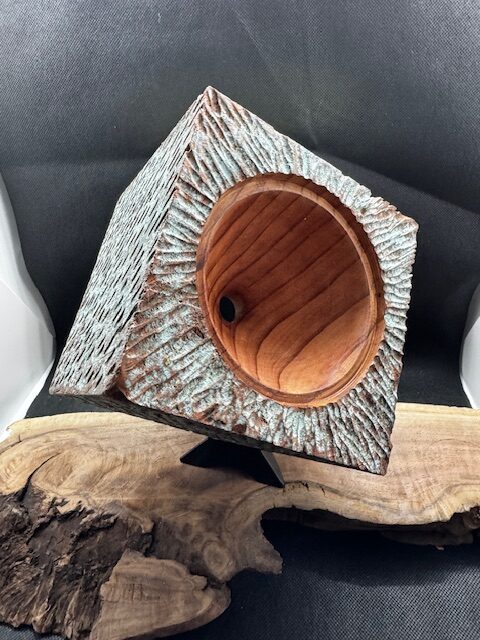
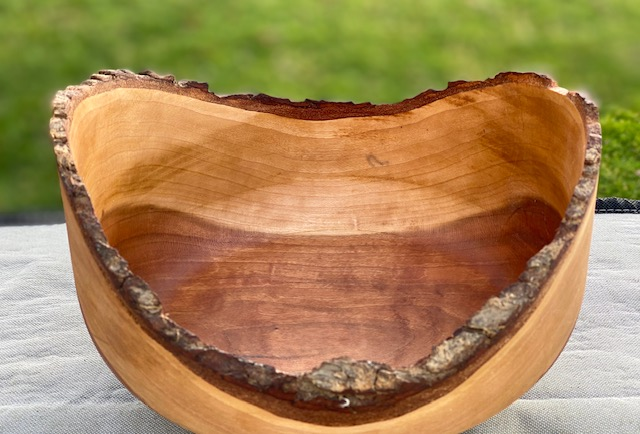
Then there is art. A symposium art display can be overwhelming in the best possible way. Seeing turned pieces in photographs is one thing. Standing in front of the actual work is another. You can study the shape and walk around it. Look at the surface and examine the details. See how the artist used the natural character of the wood or deliberately transformed it. And you don’t have to be physically capable of turning to appreciate any of it.
In fact, being temporarily away from the lathe may allow you to experience the work differently. Instead of thinking about how difficult the piece would be to make, you can simply ask yourself:
What is it about this piece that speaks to me?
Maybe it is the shape.
Maybe it is simplicity.
Maybe it is the boldness.
Maybe it is the way the artist allowed the wood to remain itself.
Maybe you don’t even know why you like it.
That’s okay.
Creativity often begins with noticing what moves you before you understand why.
Learning Without Making Shavings
One of the biggest surprises of stepping away from the lathe is discovering how much learning can happen without making anything.
You can fill in a notebook.
You can fill your phone with photographs and ideas.
You can listen to demonstrations.
You can ask questions.
You can study work from turners you’ve never encountered before.
You can talk about design.
You can think about your own work.
And you can let your imagination run ahead of your physical limitations.
There is something freeing about knowing you don’t have to turn the idea today.
You can simply collect it.
Let it sit.
Let it develop.
The Trip Home
Perhaps the most important part comes after the symposium.
On the drive home the conversations change. Before the event, we talked about what we expected. Now we can talk about what actually happened. What surprised us? Which demonstration changed the way we think?
Which piece in the art show stayed in our minds? What did we learn? What do we want to try when we’re able to return to the shop? Sometimes those conversations reveal that we learned something completely different from what we expected to learn.
That’s part of the beauty of an experience like this. You arrive looking for answers and leave with better questions.
Bringing the Symposium Back to the Shop
Eventually, the injury will heal, the day will come when you can return to the lathe. When that happens, you won’t be coming back empty-handed. You may have new techniques to explore. New shapes in your sketchbook, new artists to study. New questions about your own work. And perhaps most importantly, you’ll have a renewed appreciation for the community surrounding this craft. The symposium didn’t replace the time in the shop. It prepared you for your return.
Sometimes Creativity Needs a Different Direction
Being injured doesn’t mean you’ve stopped being a wood turner. It simply means that, for a while, your role changes. You become the observer instead of the maker. The student instead of the demonstrator. The listener instead of the person making the shavings. And that’s okay.
A long road trip, a room full of woodturners, a great demonstration, an inspiring art display, and hours of conversation can keep the creative part of you moving even when your hands need to rest.
The lathe can wait. The wood can wait. Your next project can wait. But your curiosity doesn’t have to. Sometimes the best way to keep creating while you’re healing is to step away from the lathe long enough to see the craft from a completely different angle and then bring what you discovered home with you.
See you at SWAT!